Station Master Tycoon Amenities Priority Tier List
Which station pieces to build first so AI guests stay happy and your star rating climbs.
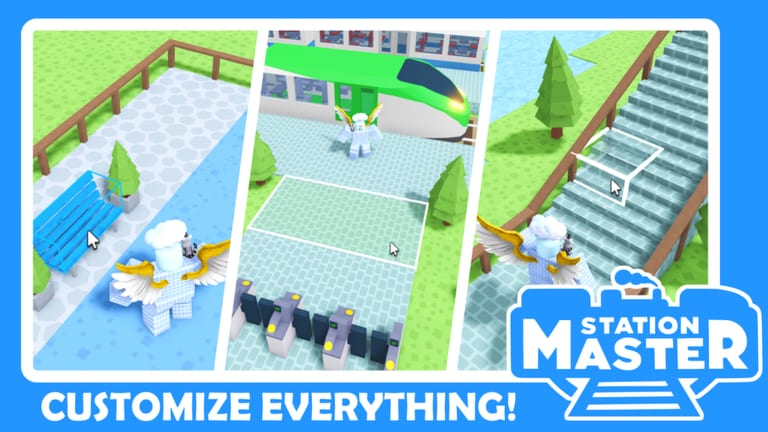
In Station Master Tycoon, cash flows from happy guests who leave on trains. Every amenity exists to keep passengers comfortable while they wait, navigate your station, and spend at shops you unlock with stars. This page ranks build pieces into S through D tiers by how often guests demand them, how fast they pay back, and whether skipping them stalls progression. Pair it with Shops Tier List for retail timing and Layout Archetypes so pathing does not waste S-tier placements.
Press E (or use mobile prompts) to read guest thoughts — our Guest Feedback Guide shows how to turn those lines into concrete fixes. If you are still in the first session, follow Getting Started first; this list explains why that tutorial order works.
S-tier — build before anything else
These amenities directly gate guest satisfaction and star growth. Without them, scenery does not matter.
Seating (benches and seating areas) — Guests need somewhere to rest while trains approach. The tutorial starts here for a reason: standing passengers complain quickly, and complaints snowball into lower stars before you earn shop unlocks. Place seats within sight of the platform but not blocking the walk lane to ticket checks. Duplicate benches with the eyedropper once you confirm a high-traffic corner.
Ticket machines / ticket gates — Passengers must buy or validate travel before boarding. A station without ticketing looks unfinished to AI guests even if tracks exist. Keep at least one machine near the entrance funnel and another closer to platforms on larger layouts. Ticket infrastructure is non-negotiable S-tier because it sits on the critical path from spawn to train.
Bathrooms — The tutorial pushes bathrooms early because guest thoughts explicitly reference them once wait times grow. One bathroom per major waiting zone is a safe rule; scenic terminals may need two. Bathrooms are easy to hide behind walls — do that, but never bury them where pathing cannot reach.
A-tier — add immediately after S-tier core
Departure boards — Information reduces confusion. Boards do not replace seating, but they cut wandering guests who miss trains and leave angry. Place boards where queues form — entrance hall, top of stairs, platform mouth. They are cheap reputation wins.
Bins and basic platform clutter — Litter feedback appears once foot traffic rises. Platform bins and small props signal “finished station” to guests. Low cost, steady star protection.
First food shop (bakery tier) — Once S-tier needs are met, hunger thoughts appear. The tutorial bakery step belongs in A-tier, not S-tier, because guests tolerate one missing meal cycle if seats and bathrooms exist — but not much longer. See Shops Tier List for which food type to unlock first.
Walls, paving, and prefab stairs — Structure guides flow. Open voids confuse pathing. Walls channel guests past tickets; paving marks walkways; stairs link levels without awkward jumps. Treat these as A-tier flow tools, not pure decoration.
B-tier — strong mid-game investments
Extra seating variants and platform furniture — Concrete benches, alternate seat styles, and platform props unlock with stars. They improve variety and photo-worthy visits but duplicate function of S-tier benches. Add when your core zone hits three stars consistently.
Secondary ticket or barrier lines — Useful when you run Linear Platform layouts with long queues. Skip until guest count justifies split lanes.
Workshops and shop signs — Shop signs help guests find retail; workshops support builder fantasy. Both matter more after your first shop tier is earning. Signs are B-tier; hidden shops without signs drop to D-tier effectiveness even if the shop itself is S-tier on paper.
Platform extensions and extra track segments — Capacity matters when trains cycle often. B-tier until S-tier amenities cover every waiting guest.
C-tier — style and comfort flex
Pianos, ducks, decorative props — Community favorites that make stations memorable for human visitors on Visiting Other Stations tours. Guests may enjoy them, but thoughts rarely block progression on missing pianos. Build for identity after income stabilizes.
Advanced scenery and duplicate decor — Bushes, trees, and themed corners shine in Scenic Terminal builds. C-tier for progression; higher if your goal is showcase rather than speed.
Paint-heavy cosmetic passes — Floor and wall paint improves screenshots. Functional impact is indirect unless it clarifies lanes (then treat paint like A-tier wayfinding).
D-tier — defer until essentials are flawless
Duplicate luxury shops before bathroom coverage — A second cafe while guests complain about toilets burns stars and cash.
Isolated amenities off the main path — A ticket machine behind a decorative wall equals no machine. D-tier placement makes S-tier items useless.
Blocking platform exits with decor — Anything that traps guests or trains belongs here. Fix immediately regardless of tier label.
Practical build order checklist
- Bench cluster near future platform sightlines.
- Ticket machine on entrance → platform route.
- Bathroom adjacent to waiting area (not behind a maze).
- Departure board visible from queue.
- Bakery or first food shop per Shops Tier.
- Walls and paving to lock pathing.
- Platform, track, and first train cycle test.
- Bins, extra seats, then star-unlocked decor.
Run one full guest cycle after each step. If thoughts mention a missing S-tier item, stop decorating and fix it.
Cross-links in this category
- Shops Tier List — when to unlock each retail type
- Layout Archetypes — where amenities should sit in compact vs scenic builds
- Tier List Hub — overview of all rankings on this wiki
Frequently Asked Questions
Quick answers for Station Master Tycoon players.
What is the highest priority amenity in Station Master Tycoon?
Seating, ticket machines, and bathrooms form the S-tier core. Guests need to sit, pay or validate travel, and find restrooms before shops or decor matter for star growth.
Why does the tutorial build bakery before the platform?
The tutorial teaches guest needs in layers: rest, tickets, hygiene, then food, then structure, then boarding. That order matches how AI thoughts escalate as wait times increase.
How many bathrooms does my station need?
Start with one bathroom per major waiting zone. Expand to two when you run multi-level or scenic layouts where walk times from platform to restroom exceed a short guest patience window.
Should I copy amenities from stations I visit?
Use visits for inspiration, but copy S-tier logic first — seating density, ticket placement, bathroom access — before copying C-tier decor. See Visiting Other Stations for a tour checklist.
Do stars unlock better amenity tiers?
Stars unlock additional catalog items and shop types in the build menu. Core needs stay the same; stars give you more styles and retail options, not permission to skip bathrooms.