Station Master Tycoon Layout Archetypes Tier List
Three station shapes ranked for guest flow, expansion room, and how fast new builders reach stable stars.
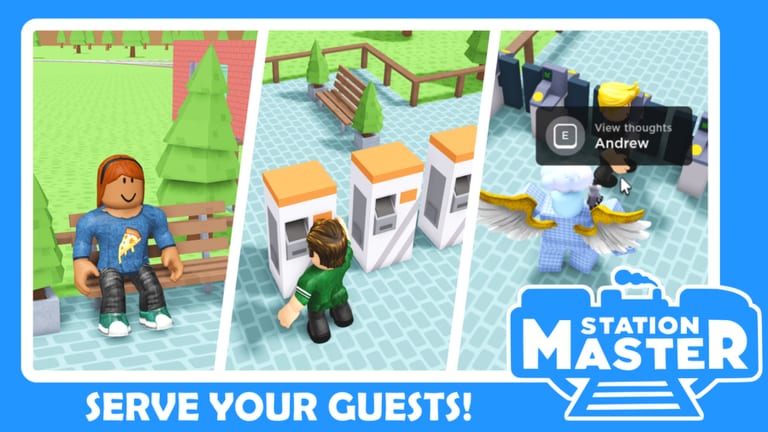
Every Station Master Tycoon station is a sandbox, but most successful saves fall into a few layout archetypes. Shape decides whether guests find your S-tier amenities from Amenities Priority, whether Shops Tier placements get foot traffic, and how painful rebuilds feel after you tour another player’s build on Visiting Other Stations. This page ranks compact hub, linear platform, and scenic terminal layouts for clarity, star growth, and skill floor.
Layouts are not permanent — walls, paving, and the eyedropper let you refactor. Still, picking an archetype early prevents placing a ticket machine you must demolish once tracks expand. Cross-check guest thoughts with Guest Feedback after each layout milestone.
Tier summary at a glance
| Archetype | Best for | Skill floor | Star speed | Flex ceiling |
|---|---|---|---|---|
| Compact hub | New players, small servers | Low | Fast | Medium |
| Linear platform | Efficient boarding, tutorials+ | Low–medium | Fast | Medium–high |
| Scenic terminal | Showcase, tourism visits | Medium–high | Medium | Very high |
S-tier for beginners: Compact hub
A compact hub stacks entrance, ticketing, seating, bathroom, first shop, and platform around one central plaza. Guests spawn, see every essential within a short walk, and reach trains without maze logic. This mirrors the Getting Started tutorial spirit: small footprint, fast feedback, easy Press E debugging.
Strengths — Minimal pathing bugs; cheap to wall and pave; every amenity tier list item fits near the spawn camera; strong star growth per hour played.
Weaknesses — Limited space for C-tier decor and duplicate shops; can feel crowded once star unlocks flood the catalog.
Build tips — Ring the plaza: tickets on the inbound side, seats facing the platform gap, bathroom tucked on the plaza edge (not behind decor), bakery storefront on the queue arc. Keep one clear lane wide enough for group spawns on four-player servers.
A-tier efficiency: Linear platform
The linear platform stretches amenities along a single spine — entrance → tickets → seats → shops → platform mouth → track. Think real-world terminus strips where passengers queue in one direction.
Strengths — Scales cleanly when you add platform length; departure boards and bins align naturally; second food shops slot mid-spine without blocking boarding.
Weaknesses — Rear queues walk farther to bathrooms if you place hygiene only at the entrance; bad symmetry looks empty on one side.
Build tips — Place bathrooms mid-spine, not only at the door. Mirror seating on both sides of the lane for balance. Use paint or paving to mark “walk here” so guests do not cut through shop interiors. Pair with Shops Tier A-tier duplicates only after you confirm rear-foot traffic.
B-tier showcase: Scenic terminal
The scenic terminal spreads levels, gardens, side wings, and photo spots while still moving guests to trains. These stations shine when humans visit via the world train network — the core fantasy Taco Dev advertises: travel on trains to other player’s stations.
Strengths — Highest creative ceiling; memorable tours; room for C-tier pianos, ducks, and themed corners from the amenities list.
Weaknesses — Guests get lost without strong wayfinding; S-tier items hidden in wings cause star drops; rebuild cost is high.
Build tips — Never sacrifice the primary spine. Use scenic wings as optional loops that rejoin the spine before platform gates. Signpost with departure boards at every level change. Test with one full guest cycle per wing — if thoughts mention missing tickets or seats, the wing opened too early.
Choosing your archetype
Pick compact hub if you are under three stars, on mobile, or rebuilding after a bad layout. Pick linear platform if you understand basics and want tidy expansion toward multiple track faces. Pick scenic terminal when stars are stable, income covers mistakes, and you want visits from other players to drive your next ideas.
Hybrid layouts work: a compact core with one scenic side wing. The mistake is building scenic first — guests complain before humans admire your garden.
Refactor signals — when to change shape
- Repeated “cannot find” thoughts → hub shrink or stronger signage.
- Shops underperforming despite S-tier type → linear spine fix or move storefront.
- High stars but boring screenshots → scenic wing after A-tier amenities duplicated.
- Platform capacity queues spilling backward → linear extension, not wider plaza clutter.
Server size note
Official wiki facts list four players max per server. Compact hubs stay readable with multiple human builders touring; scenic terminals need wider lanes so avatars do not block AI guest pathing during co-op inspiration sessions.
Related tier-list pages
- Amenities Priority — what to place inside each archetype
- Shops Tier List — retail order once shape is stable
- Tier List Hub — hub overview and FAQ
- Players Hub — guest behavior and visiting stations for layout ideas
Frequently Asked Questions
Quick answers for Station Master Tycoon players.
What is the best layout for new Station Master Tycoon players?
Compact hub. It keeps seating, tickets, bathrooms, and the platform within one short walk so guests stay happy while you learn the build tools.
What is a linear platform layout?
A single main corridor from entrance to track where amenities sit along the queue path. It scales well when you lengthen platforms or add mid-spine shops.
When should I build a scenic terminal?
After S-tier and A-tier amenities work reliably and stars stop dropping. Scenic wings need clear signage so guests rejoin the boarding path.
Can I change layouts without restarting?
Yes. Use walls, paving, eyedropper copies, and selective deletes to refactor. Test one guest cycle after moving ticket machines or bathrooms.
Do other players' stations prove which layout is S-tier?
Use visits for ideas, not proof. A scenic station may look S-tier while still using a compact functional core. Copy flow first, scenery second.